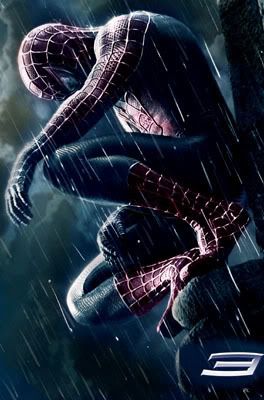
the recent showing of the third installment of the
spiderman movie brought the world closer to a hero that shares the same experiences and trials with it. the audience embraced the development of a character who longs for acceptance, a persona who experiences defeat, an individual who enjoys moments of prestige, a lover who feels the pain and the joys of love, and a hero who faces the opportunity costs of juggling his priorities over his responsibilities.
since spiderman’s entrance to the big screen,
superman’s all-powerful, testosterone-oozing patriarchal image has been replaced by the web slinging hero’s flexible, and more humanistic image.
superman, being the epitome of the indestructible hero and the man of steel, has long been taken by scholars and analysts as a subtle symbol used by the united states to showcase their power and dominance over the world. the presence of the man of steel on cinemas around the globe somehow brought a stiff figure of a savior to its audience’s psyche; a figure of a savior far from their experiences, a hero in the sky.
spiderman, the hero who faces internal and external issues with himself, his family, his love-life, his friends, and his society, broke the myth that heroes are nothing but more than human. the film’s presentation of spiderman having more human than superhuman qualities made the hero a more effective figure closer to the hearts of the audience.
the humanistic qualities (someone who experiences
love, hope, anger, pain, revenge, friendship, betrayal and jealousy) of spiderman in the film made him the best candidate to carry the colors of the american flag.
as much as i would like to veer away from thinking that the movie may have been filled with political and social undertones, that one scene from the movie where spiderman had the american flag as his background confirmed all my fears. the signs were all there; laid perfectly for the audience to decipher the pretty obvious subtext of the movie- that anyone may have done grave and ugly things to the eyes of the world, but it has its reasons to back it up.
spiderman’s battle with the sandman, can be interpreted as
america’s war with iraq. despite the
sandman’s unyielding power, he still explained himself to our hero. of course, as expected, spiderman forgave the sandman at the end of the film. what i liked about the spidey-sandman scene was the confession part where both parties’ confessed their shortcomings and their basis for doing their acts. that very scene was one of the many reasons for the movie to be considered great.
aside from the web shots, the black suite, the spine tingling eye rolling, neck straining fight sequences with the goblin, venom and the sandman, the movie has matured in storyline as well as the actors’ delivery and interpretation of their acts. the facial reactions, the timing of the line delivery and the acting of the actors contributed much to the film’s overall success.
the recurring themes of addiction to power, love, jealousy, betrayal, trust, success, acceptance, anger and lust made this movie installment better from the first two.
delving deeper on the human aspects of spiderman’s persona, the movie has told the audience that anyone can be spiderman. anybody can be a hero in their own; a hero who experiences success and defeat, a hero who faces trials and tests, a hero who loves, a hero who does stupid things, and a hero that is human.
i was an audience caught among the strands of the political, the social and the emotional webs of spiderman 3. i was an inspired audience who saw from the movie the values of life that all things have a basis, all things are interrelated and all things change.


 Posts
Posts


 the rain and the thunder mocked me as i blog while having an overtime in the office.


